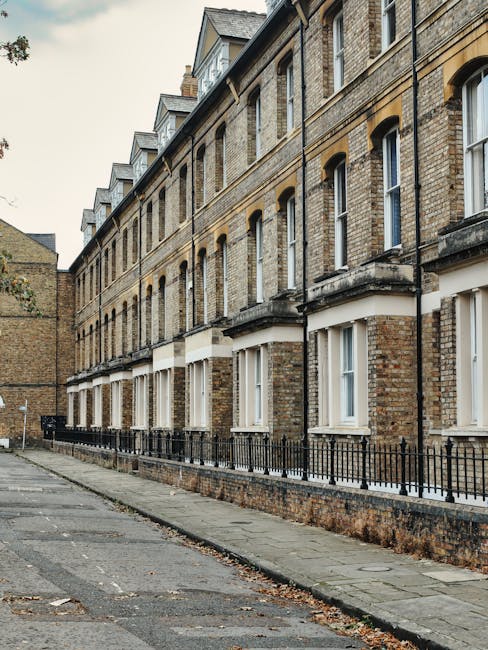
Clapton Common deep cleaning guide for Victorian terraces
If you live in or around Clapton Common, you already know Victorian terraces have a certain charm: tall ceilings, original details, narrow stairs, and rooms that somehow gather dust in all the places you can't quite reach. That's exactly why a Clapton Common deep cleaning guide for Victorian terraces needs to be more than a quick tidy-up list. These homes often hide grime in sash window tracks, skirting boards, fireplaces, old floorboards, and fabric surfaces that have seen years of everyday life.
Deep cleaning a Victorian terrace is part care, part strategy. Do it well and the house feels lighter, fresher, and easier to live in. Do it badly and, well, you can end up pushing dirt into the wrong places, damaging delicate surfaces, or creating damp where you definitely don't want it. This guide walks you through what matters, how to approach the work, and where a professional clean can save you time, stress, and a fair bit of backache.
Table of Contents
- Why Clapton Common deep cleaning guide for Victorian terraces Matters
- How Clapton Common deep cleaning guide for Victorian terraces Works
- Key Benefits and Practical Advantages
- Who This Is For and When It Makes Sense
- Step-by-Step Guidance
- Expert Tips for Better Results
- Common Mistakes to Avoid
- Tools, Resources and Recommendations
- Law, Compliance, Standards, or Best Practice
- Options, Methods, or Comparison Table
- Case Study or Real-World Example
- Practical Checklist
- Conclusion
- Frequently Asked Questions
Why Clapton Common deep cleaning guide for Victorian terraces Matters
Victorian terraces are lovely, but they are not modern, wipe-clean boxes. They were built with materials and layouts that respond differently to moisture, heat, and heavy scrubbing. In a Clapton Common terrace, you may be dealing with original timber floors, older plaster, cast iron fireplaces, decorative mouldings, thick carpet on the stairs, and upholstery that's been absorbing daily life for years. Deep cleaning matters because these surfaces don't just hold visible dirt; they trap allergens, odours, grease, pet hair, and the fine dust that floats through older buildings and settles everywhere.
There's also the simple fact that period homes tend to collect dirt in layers. The front room gets the best light, but the corners don't. The hallway sees muddy shoes. The kitchen picks up grease and steam. Upstairs, the bedroom carpet quietly stores everything you track in on your socks. Truth be told, you often don't notice how tired a house has become until it's been properly reset.
For many households, deep cleaning is also about protecting the property itself. Victorian features can be forgiving in some ways and fragile in others. Too much water on old wood? Bad idea. Aggressive chemicals on antique finishes? Also bad. A careful, informed approach keeps the home looking better for longer.
If your terrace has carpets, upholstery, curtains, or rugs that need specialist attention, it can help to think in layers rather than rooms. That's where services like carpet cleaning, upholstery cleaning, and curtain cleaning become part of the overall deep clean rather than separate jobs on a long to-do list.
How Clapton Common deep cleaning guide for Victorian terraces Works
A proper deep clean works by breaking the house into systems: dust removal, surface cleaning, fabric care, floor care, and targeted stain or odour treatment. That sounds neat on paper. In real life, it means you start high and dry, move down and damp, then finish with the details. If you do it the other way round, you'll just end up cleaning the same area twice. And nobody needs that kind of excitement on a Saturday.
The process usually begins with inspection. You look for fragile paint, lifting wallpaper, loose sealant, worn carpet edges, water-sensitive timber, and any signs of damp or mould. Then you choose the least aggressive method that still gets the job done. For example, dry dusting and vacuuming are better first moves than reaching straight for a wet mop.
In period terraces, deep cleaning often includes:
- vacuuming and edge-cleaning carpets and stair runners
- dusting skirtings, dado rails, coving, and picture rails
- wiping high-touch areas such as door handles and switches
- cleaning kitchen grease build-up and bathroom residue
- spot treating stains before they set in deeper
- refreshing soft furnishings and curtains
- deodorising rooms with pet or cooking smells
For fabric-heavy homes, a specialist approach can make a big difference. A steam carpet cleaning method, used correctly, can lift embedded dirt from carpet fibres far more effectively than surface vacuuming alone. That said, steam isn't automatically the answer for every material. Old wool blends, delicate rugs, and some upholstery fabrics need care, testing, and common sense.
Key Benefits and Practical Advantages
The obvious benefit is a cleaner home. But the real value goes deeper than that. A well-planned deep clean makes a Victorian terrace easier to maintain week to week, because you are not fighting layers of dust and grime every time you do the basics.
Here are the practical advantages people usually notice first:
- Better air feel: less stale dust and fewer trapped smells in soft furnishings.
- Longer life for surfaces: carpets, sofas, and curtains wear better when grit is removed.
- Less visible clutter of dirt: painted woodwork, stairs, and hallways look brighter.
- Improved first impression: useful if you're moving, letting, hosting, or just trying to enjoy your home.
- Lower stress: a deep-cleaned house feels more manageable, even if life is busy.
There's also a more subtle benefit. Period properties can feel gloomy when they're dusty, especially on the lower floors or in winter. Clean windows, cleaner textiles, and fresh floors can change the whole mood of a room. You notice the light differently. Sounds odd, maybe, but it's true.
If your home includes rugs, heavily used sofas, or a mattress that's absorbed years of life, specialised services can help target the parts of the house that carry the most everyday wear. A good rug cleaning or mattress cleaning treatment can be especially useful in bedrooms and living rooms where dust and allergens tend to settle quietly.
Who This Is For and When It Makes Sense
This guide is for anyone living in a Victorian terrace near Clapton Common, whether you own the house, rent it, manage it, or are preparing it for new occupants. It's especially relevant if the home has not had a thorough clean in a while, has pets, young children, or heavy foot traffic, or simply feels like it never quite gets clean enough no matter how often you tidy.
Deep cleaning makes the most sense when:
- you are moving in or out of a terrace property
- the house has had building work, decorating, or repairs
- allergy symptoms seem worse indoors
- there are lingering odours from pets, smoke, or cooking
- stains on carpet or upholstery keep coming back
- the property has not had a proper seasonal reset
It also makes sense if the house looks tidy but feels dusty. That's a very Victorian problem, to be fair. Old houses can conceal grime in plain sight, especially along staircase edges, under furniture, and inside fabric surfaces.
If you run a property that needs more frequent turnover or heavier wear management, the same cleaning thinking applies, though on a commercial scale. In those cases, commercial-grade support such as commercial carpet cleaning may be more appropriate than a one-off household refresh.
Step-by-Step Guidance
The easiest way to deep clean a Victorian terrace is to work methodically. Don't chase the dirtiest room first. Start with the structure of the home, then move to fabrics and detail work. That order saves time and prevents dust from settling back on already cleaned areas.
1. Open up the space
Move smaller items out of the way, lift loose objects from floors, and create clear access to skirting boards, under furniture, and behind radiators. If a room is crowded, you'll miss half the dust and swear at the rest.
2. Dust from top to bottom
Begin with ceiling corners, light fittings, shelves, coving, picture rails, and the tops of door frames. Then move to window ledges, skirting boards, and furniture surfaces. Use dry or lightly damp cloths so you're lifting dust rather than pushing it around.
3. Treat fabrics before wet cleaning floors
Carpets, sofas, rugs, curtains, and mattresses often need their own pass. Spot-treat any visible marks first. If a stain has been sat on for a while, a general scrub is unlikely to help. A targeted stain removal approach is usually more effective, and far less risky for the fabric.
4. Clean the kitchen and bathroom carefully
These are high-moisture zones, so you're dealing with limescale, soap residue, grease, and the occasional mystery splatter. Use the least harsh cleaner that will still remove the build-up. Pay attention to taps, seals, extractor areas, tile grout, and behind appliances if they can be moved safely.
5. Refresh carpets and stairs
Vacuum slowly, especially on stair runners and along edges where dust gathers. If needed, use a professional carpet clean for a deeper reset. Victorian stairs tend to collect grit, and grit is what wears fibres down over time. That's the bit people miss.
6. Deal with odours, not just stains
A room can look clean and still smell tired. Pet accidents, damp fabrics, and old smoke residue can linger in carpets and upholstery. If that sounds familiar, a specialist pet stain odour removal treatment may be the difference between "fresh enough" and genuinely fresh.
7. Finish with details
Wipe handles, switches, banisters, and other touchpoints. Then step back and check the room in daylight if you can. Around late morning, London homes often show dust in a way artificial light hides. A bit annoying, yes, but useful.
Expert Tips for Better Results
There are a few things that make a deep clean noticeably better without adding much extra effort. The first is patience. The second is testing. The third is not assuming every surface likes the same treatment. A little boring, maybe, but it saves headaches.
- Always test cleaners first: especially on old paint, varnish, and natural fibres.
- Use less water than you think: Victorian materials can hold moisture and take ages to dry.
- Work in sections: one room or one floor area at a time keeps things under control.
- Vacuum before wiping: otherwise dust turns into streaks and sludge.
- Let fabrics dry fully: damp upholstery and carpet underlay can create musty smells if rushed.
- Use airflow wisely: open windows where safe, but avoid blasting cold air at delicate finishes.
A useful rule of thumb is to respect the age of the house. Victorian terraces often have been repaired, repainted, and altered many times. One room may tolerate a stronger clean than the room next door. Strange but normal.
When in doubt, gentler methods are usually the safer bet. For delicate sofas or worn chairs, a specialist sofa cleaning or broader upholstery cleaning service can protect the fabric while still removing built-up grime.
Common Mistakes to Avoid
Most deep-clean problems in Victorian terraces come from being too enthusiastic in the wrong place. A good clean should leave the home better, not stressed, stained, or damp.
- Soaking old wood: too much liquid can lift finishes and encourage swelling.
- Using strong bleach everywhere: it can discolour fabric and damage surfaces.
- Skipping the vacuum stage: this just spreads grit around.
- Cleaning upholstery with the wrong method: some materials hate moisture.
- Ignoring hidden dust zones: behind radiators, under stairs, and along stair edges matter.
- Rushing drying time: especially after carpet or fabric cleaning.
One mistake I see a lot is people cleaning the visible middle of a room and missing the edges. Victorian rooms are full of edges. Skirting, hearths, rails, mouldings, and stair corners all collect dust, and if you don't touch them, the whole room still feels half done.
Another one: trying to remove an old stain with repeated scrubbing. That usually drives the mark deeper. A calmer, more targeted approach is generally better, even if it feels slower at the time.
Tools, Resources and Recommendations
You do not need a van full of kit to deep clean a Victorian terrace, but a sensible toolkit helps. Keep it simple and use tools that are gentle on older surfaces.
- vacuum cleaner with crevice and upholstery attachments
- microfibre cloths for dusting and wiping
- soft brushes for skirting boards, vents, and fabric seams
- bucket, mop, and separate cloths for kitchen and bathroom work
- fabric-safe stain treatments for spot cleaning
- door wedges or airflow aids to help rooms dry
- gloves for handling strong cleaners or dirty areas
For homes with a mix of surfaces, it helps to separate the cleaning tasks by material. Rugs are not carpets. Sofas are not chairs. Curtains are not something to scrub like a countertop, however tempting that may be in a moment of determination. If a room contains multiple soft surfaces, choosing services such as curtain cleaning and rug cleaning can create a more even result.
When booking a professional clean, it's sensible to check insurance, safety information, pricing clarity, and how the work is carried out. A provider's insurance and safety details, along with their health and safety policy, should give you confidence before anyone starts working in your home.
Law, Compliance, Standards, or Best Practice
For household deep cleaning, there usually is not a single law dictating exactly how you should clean a Victorian terrace. But there are still sensible UK best-practice expectations worth respecting, especially around safety, ventilation, chemical use, waste handling, and duty of care if you are a landlord, tenant, or managing a rental property.
If you're responsible for a property, it's wise to avoid anything that could cause damage, create slip hazards, or leave a room unsafe for use. That includes over-wetting floors, mixing chemicals, or failing to dry fabrics properly. If someone is working in the home, you want clear communication about access, precautions, and what areas need care.
For service providers, trustworthy policies matter. Readers should expect transparency around payment, terms, and privacy. If you want to understand how a company handles bookings and customer information, it's sensible to review their payment and security, privacy policy, and terms and conditions. If accessibility matters to you or someone in the household, a clear accessibility statement is another positive sign.
If waste is involved, especially packaging, worn textiles, or disposable cleaning materials, responsible disposal is just plain good practice. A company that takes recycling and sustainability seriously is usually thinking beyond the immediate job, which tends to reflect well on the quality of the service overall.
Options, Methods, or Comparison Table
Not every Victorian terrace needs the same kind of deep clean. Sometimes a careful DIY refresh is enough. Sometimes you need specialist equipment. Often, it's a mix of both.
| Method | Best for | Strengths | Watch-outs |
|---|---|---|---|
| DIY deep clean | Routine resets, light dust, surface grime | Low cost, flexible, good for maintenance | Time-consuming, easy to miss hidden areas |
| Targeted spot cleaning | Stains, small problem areas | Fast, focused, limits disruption | Can leave patchy results if the rest of the room is tired |
| Professional carpet or upholstery cleaning | Embedded dirt, odours, worn fabrics | Deeper fibre cleaning, specialist handling, better finish | Needs proper drying and the right method for the material |
| Full-property deep clean | Move-ins, move-outs, post-renovation, seasonal resets | Most complete result, saves time, better overall transformation | Requires planning and, often, a bigger budget |
If you are unsure where to start, think in terms of the most tired surface in the property. In many Victorian terraces, that's the stair carpet, the hallway runner, or the living room sofa. Deal with that first and the whole house usually feels easier.
Case Study or Real-World Example
Here's a typical scenario. A Victorian terrace near Clapton Common has three bedrooms, a narrow hallway, a front reception room, and a kitchen that picks up steam and cooking residue fast. The owners keep the house neat, but it has that slightly stale feel that old homes get when dust settles into soft furnishings and stair edges.
The deep-clean plan starts with decluttering and dry dusting. Then the stair carpet is vacuumed carefully, the hallway skirting is wiped, and the front room sofa is checked for spills and pet hair. A rug in the living room gets a proper clean, because it catches everything from muddy shoes to tea splashes. Curtains are freshened, and the mattress in the main bedroom is treated to reduce lingering dust and odour.
Nothing dramatic, really. No magic trick. But by the end, the rooms smell cleaner, the hallway feels brighter, and the home looks properly lived in again rather than merely tidied. That's the difference. A home can be tidy and still feel tired.
If a property has a lot of fabric surfaces, combining several specialist treatments often makes more sense than trying to tackle everything with one general-purpose method. That's especially true for older homes with mixed textile wear across carpets, rugs, sofas, and curtains.
Practical Checklist
Use this simple checklist before and during your deep clean. It keeps the work focused and stops you forgetting the awkward corners.
- Open windows where safe and practical for airflow
- Move lightweight furniture and clear floor access
- Dust ceilings, corners, coving, and picture rails first
- Vacuum carpets, stairs, and under furniture edges
- Spot treat stains before any broader cleaning
- Check fabric care labels or test an area first
- Clean kitchen grease and bathroom residue separately
- Wipe skirting boards, handles, switches, and banisters
- Allow carpets and upholstery to dry fully
- Review the result in daylight if possible
Expert summary: the best deep cleans in Victorian terraces are not the harshest ones. They are the most thoughtful ones. Gentle method, good sequencing, and proper drying will usually beat brute force. Every time.
If you'd rather not manage the whole job yourself, or you want a better result on the fabric-heavy parts of the property, speaking to a specialist team early can save you from the usual trial-and-error routine. A quick conversation about scope, surfaces, and access is often enough to point you in the right direction.
Get a free quote today and see how much you can save.
Conclusion
A Victorian terrace near Clapton Common deserves a deep clean that respects the house as much as the people living in it. That means careful dust removal, sensible fabric care, attention to hidden grime, and the patience to do things in the right order. It also means knowing when not to push too hard. Old homes have personality, and they respond better to restraint than to a heavy hand.
Whether you're preparing for guests, recovering from a busy season, or simply trying to make the house feel like itself again, a well-planned deep clean can change the atmosphere in a very real way. Not everything needs replacing. Sometimes it just needs the grime taken off.
And when the rooms start to feel lighter, quieter, and more like home, that's the part you remember.
Frequently Asked Questions
How often should a Victorian terrace be deep cleaned?
Most homes benefit from a thorough deep clean every few months, with more frequent attention in high-traffic areas like halls, stairs, kitchens, and living rooms. If you have pets or children, you may need to refresh soft furnishings more often.
What makes Victorian terraces harder to clean than newer homes?
They often have older materials, decorative details, narrower staircases, and more places for dust to settle. Timber, plaster, and fabric surfaces also need gentler handling than modern wipe-clean finishes.
Can I deep clean an old carpet safely myself?
Yes, if you use the right method and avoid soaking the fibres. Vacuum first, test any cleaner in an inconspicuous spot, and be cautious with very old or fragile carpets. When in doubt, professional carpet cleaning is usually safer.
Is steam cleaning safe for Victorian house carpets?
Sometimes, but not always. Steam can work very well on some carpets, yet older or more delicate fibres may not suit it. A professional assessment is the sensible way to avoid damage.
What should I clean first in a Victorian terrace?
Start high and dry: ceilings, corners, shelves, and coving. Then move to fabrics and floors. That order prevents dust from falling onto areas you've already cleaned.
How do I deal with stale smells in older rooms?
Look at the fabrics first. Carpets, sofas, curtains, and mattresses often hold the smell more than the walls do. Targeted odour and stain treatment can help far more than air fresheners.
Are rugs and carpets cleaned the same way?
No. Rugs are often more delicate and may have different backing materials, dyes, or weave types. A rug cleaning approach should be matched to the item rather than treated like wall-to-wall carpet.
How long does a deep clean usually take?
It depends on the size of the house, the amount of clutter, and the condition of the surfaces. A terrace with lots of stairs, upholstery, and built-in detail naturally takes longer than a simpler property.
Should I deep clean before or after decorating?
Usually after the messiest work is finished. Painting and repairs create dust and residue, so it is more efficient to clean once the work is done, then do a lighter tidy-up after that if needed.
What if my sofa or curtains look clean but smell musty?
That usually means the smell is trapped in the fibres rather than sitting on the surface. A proper upholstery or curtain clean can help, especially if the room has been closed up for a while.
How do I know if I need professional help?
If the stains keep returning, the fabrics are delicate, the odours won't lift, or you simply do not have the time, professional support is worth considering. It is often the quicker route, honestly.
Can deep cleaning help with allergies?
It can reduce dust, pet hair, and other common indoor irritants, especially in carpets, upholstery, and bedding. It is not a medical treatment, of course, but a cleaner environment can make day-to-day living more comfortable.